
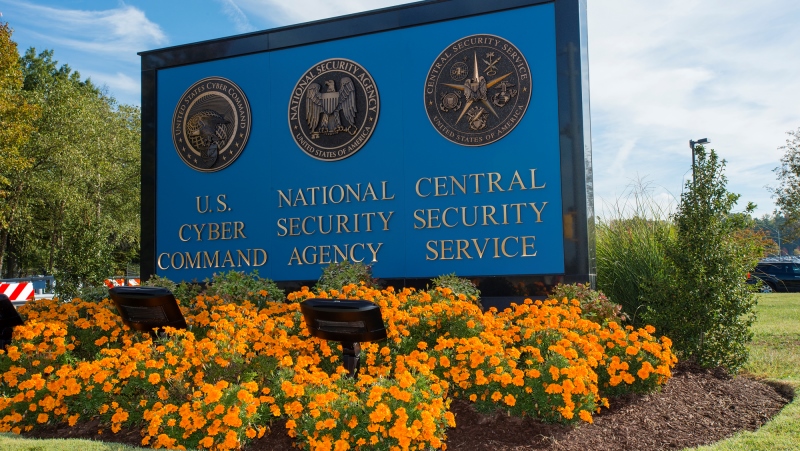
Sen. Ron Wyden, D-Ore., plans to vote against Lt. Gen. Joshua Rudd and put a hold on his nomination to lead the National Security Agency (NSA) and U.S. Cyber Command (CYBERCOM), Wyden’s office confirmed to MeriTalk.
A hold is a request by a senator to his or her party leader to prevent or delay action on a nomination or a bill. This would force the nomination to a formal vote instead of approval by unanimous consent.
In a letter addressed to President Donald Trump and published in the Congressional Record on Wednesday, Wyden said he opposes Rudd’s nomination to serve as director of the NSA, citing Rudd’s lack of cybersecurity experience and unclear answers about NSA surveillance authorities in the United States.
Trump nominated Rudd for the dual-hat role late last year. Rudd would replace Lt. Gen. William Hartman, who has been leading the agency in an acting capacity following the administration’s removal of Gen. Timothy Haugh from leadership of both organizations.
The circumstances surrounding Haugh’s dismissal remain unclear. Neither the White House nor the Defense Department has provided substantive comment on the leadership change.
During his nomination hearing, Rudd was asked by the senator “what he would do if directed to target people in the United States for surveillance without a judicial warrant.”
Rudd said that if confirmed, he would, “commit to executing the foreign intelligence mission of the NSA in accordance with the authorities that has been given and within all applicable laws.”
“I proposed that he offer general thoughts on the matter but got nothing of substance. I did everything in my power to allow him to demonstrate some understanding of the basic guardrails of NSA’s authorities and got nothing but vague assurances about following the law,” Wyden wrote in his letter.
Wyden also wrote that the CYBERCOM leader must have a sophisticated understanding of the evolving cyber threat, its geopolitical context, and the technical and policy tools needed to counter it.
This was a point of concern for other senators during Rudd’s nomination. But Rudd, who has more than 30 years of military experience, mostly in special operations, pointed to his work in special operations and joint task forces as preparation for the role, saying cyber has become “inextricably linked at the hip” with America’s elite units.
“For decades, I have had the opportunity to be a leader, consumer, enabler, generator, and integrator of intelligence and operational capabilities of NSA and Cyber Command,” Rudd told the Senate Armed Services Committee. “If confirmed, I’m prepared to lead these organizations as an integrated and essential team to rapidly deliver options and solutions to our nation’s toughest security challenges at this critical time in our history.”
Wyden did not appear convinced, writing that despite Rudd’s service, he does not have the background to immediately step into the role.
“He is not qualified for this job,” Wyden wrote. “And, when it comes to the cybersecurity of this country, there is simply no time for on-the-job learning.”